World Corn Trade
Author
Published
7/31/2025
Major Players
The United States is a major player in the world corn market. In 2025, the United States is expected to, once again, be the largest producer, exporter, and consumer of corn. The United States has consistently been the world’s largest producer of corn, and there remains a sizeable gap between the United States and the world’s second and third largest producers – China and Brazil.
The United States is expected to remain the world’s largest corn exporter despite Brazil temporarily passing the United States in corn export volumes two years ago. Mexico is the world's largest importer of corn, closely followed by the European Union. Although the United States imports little to no corn, it remains the world’s largest consumer – narrowly ahead of China and well ahead of the third largest consumer, Brazil (Table 1).
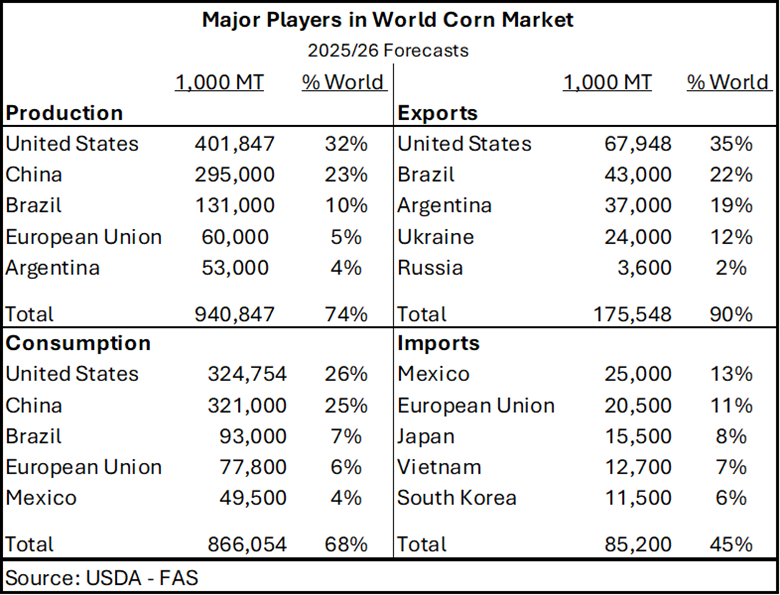 Table 1. Major Players in the World Corn Market
Relative Value of United States Corn Exports and Imports
To get a more detailed look into world corn trade, the remainder of this article utilizes UN Comtrade data. Therefore, the data, tables, and figures are not directly comparable to Table 1. Data will only include corn designated as non-seed corn.
Figure 1 illustrates the quantity of United States corn exports and imports, Figure 2 illustrates the value of United States corn exports and imports, and Figure 3 illustrates the average price of corn exports and imports. The United States is a top exporter of corn in the world corn market but imports almost none - a trend that has remained largely consistent over the last two decades.
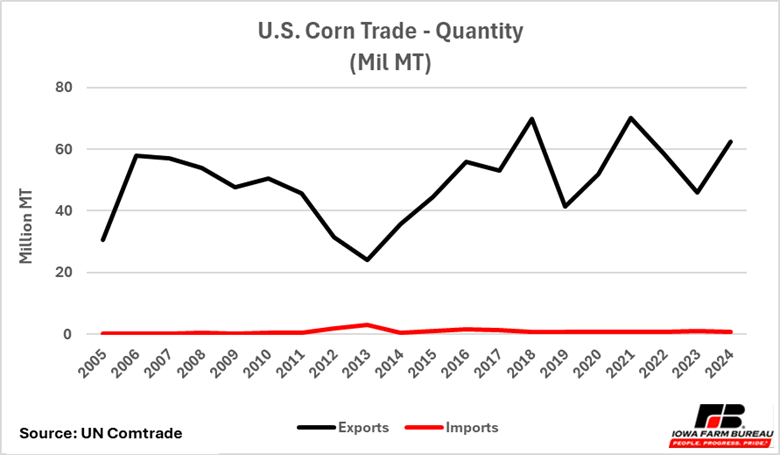 Figure 1: Quantity of U.S. corn trade
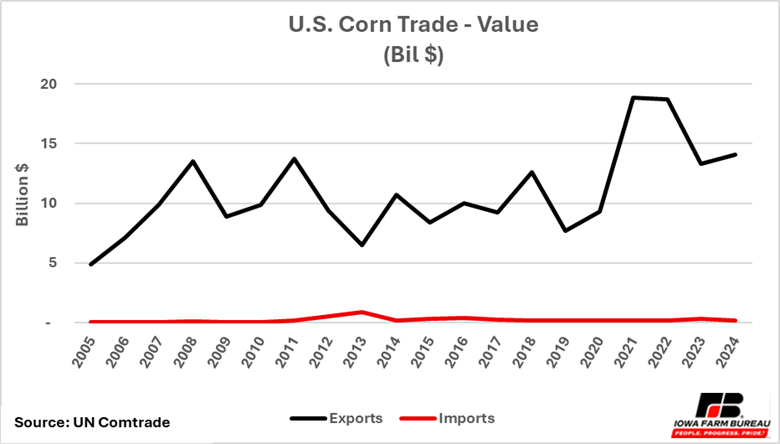 Figure 2: Value of U.S. corn trade
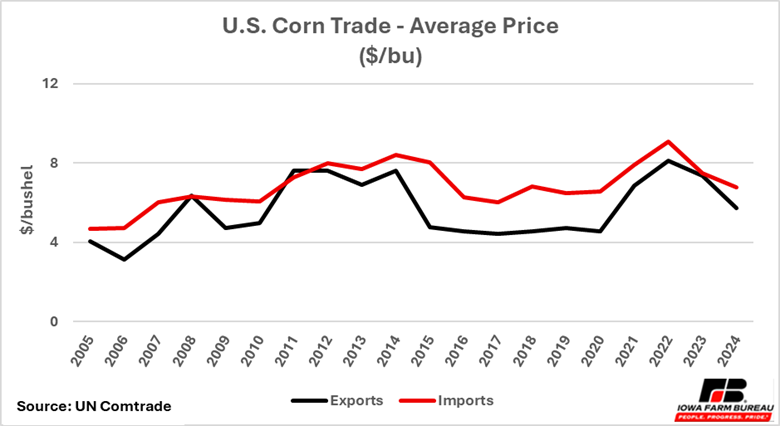 Figure 3: Average price of U.S. corn exports and imports
Major Trade Partners for U.S. Corn
Over the past five years, Mexico, China, and Japan have been the top export destinations, or buyers, of corn from the United States collectively accounting for over 60% of United States corn exports, in terms of both value and quantity. Canada and Argentina remain the largest suppliers of foreign corn to the United States, supplying over 70% of corn imports (Table 2).
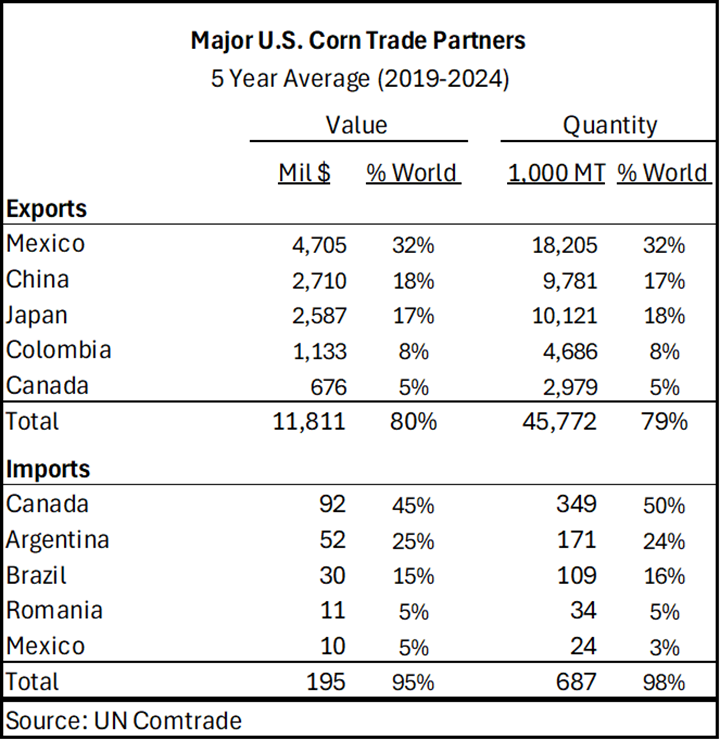 Table 2. Major US Corn Trade Partners
Markets for Other Major Exporters
Table 3 outlines trade relationships of the other four largest exporters of corn other than the United States.
After taking the top spot as the largest exporter of corn in the 2022/23 marketing year, Brazil is expected to be the second largest exporter of corn in the 2024/25 marketing year. Brazil’s top export markets are Iran and the European Union, but there is not a single export market that dominates. A similar trend is seen in corn exports of Argentina and Romania who have a mix of trading partners with no one market dominating. Romania and Argentina each export 10% and 11% of their total corn exports to South Korea.
Ukraine is another major corn exporter. The European Union accounts for nearly half (49%) of Ukraine’s corn exports and is their largest trading partner by a considerable margin. China, Egypt, Turkey, and Iran also get a significant quantity of corn from Ukraine.
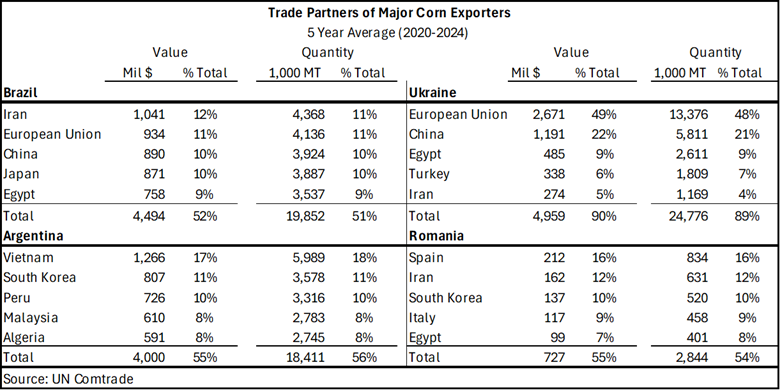 Table 3. Trade Partners of Other Major Exporters
Markets of Major Importers
Table 4 outlines the trade relationships of the four largest global corn importers.
China is the largest importer of corn. Over the last five years (2020-2024), most of its corn imports (76%) came from the United States and Brazil, each accounting for 38% of China’s total corn imports.
Nearly all of Mexico’s imported corn is from the United States, with Brazil and Argentina collectively accounting for less than 5% of total value and quantity of total corn imports.
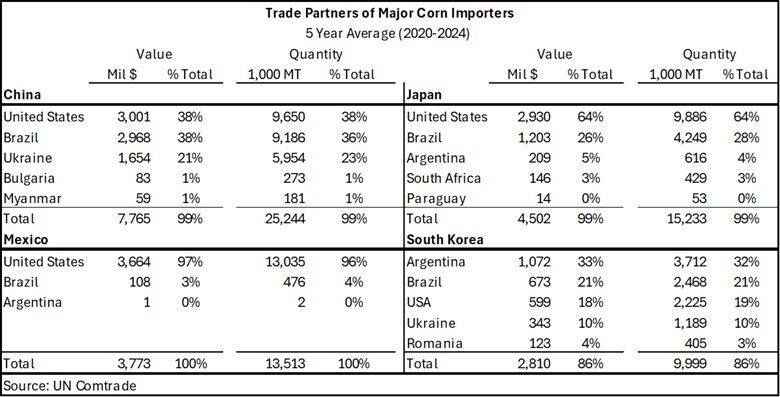 Table 4. Trade Partners of Other Major Importers
Want more news on this topic? Farm Bureau members may subscribe for a free email news service, featuring the farm and rural topics that interest them most!