World Beef Trade
Author
Published
5/14/2026
Brazil surpasses the United States in beef production, the United States continues to increase domestic beef consumption
The domestic beef market here in the United States is rapidly changing in terms of price pressures, herd size contraction, and growing domestic demand. On a larger scale, the global beef market is experiencing widespread changes to the overall trade landscape, declining trends in global consumer demand, and strong production in South America.
The United States remains a major player in the global beef market in terms of production, consumption, exports, and imports; however, beef production in Brazil is forecast to, once again, surpass production in the United States in 2026 (see Table 1). Brazil’s production is expected to decline 1.9% from 2025, while the United States is projected to see a 0.8% decline in production. Domestic consumption is down across all major beef consumers worldwide except the United States and India. China, the second largest beef consumption market, is projected to see a 7.5% decline in beef consumption relative to. Beef consumption in the United States and India is projected to see a near 1.1% increase from the previous year.
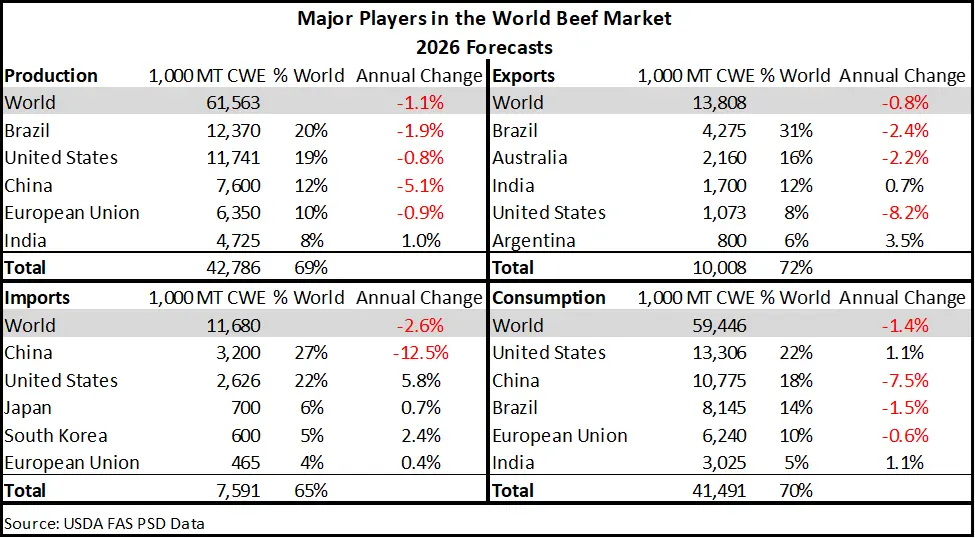 Table 1. Major Players in World Beef Market 2026 Forecasts
In terms of trade, China is projected to remain the global leader in beef imports. The United States follows China in terms of beef import volume, but U.S. beef imports are expected to rise 5.8% in 2026 while imports to China are forecast to decline 12.5% from 2025. Brazil is expected to, once again, lead the export market; however, Brazil’s exports are forecast to drop 2.4% in 2026. World beef exports across all exporting countries are expected to be down almost 1% to 2% from 2025 levels while exports from the United States expected to decline over 8% this year relative to 2025. Argentina’s exports are projected to increase 3.5% from 2025. Recent executive orders in the United States aim to increase the amount of beef imported into the United States from Argentina.
Relative Value of U.S. Beef Imports and Exports
To get a more detailed look into world beef trade, the remainder of this article utilizes UN Comtrade data, a detailed monthly trade database. Data utilized from UN Comtrade is not directly compared to Table 1, but the data tells a similar story.
Typically, the United States exports and imports approximately the same volume of beef. Notice in Figure 1, the gap between the volume of United States beef exports and imports is widening. A similar story is seen in the total value of United States beef exports and imports shown in Figure 2. In 2025, the volume and value of United States beef imports was higher than the volume and value of United States beef exports. This suggests that the United States is not only importing more beef than prior years due to domestic supply constraints, but those imports are also higher value beef items. Typically, the United States exports high quality cuts and imports cheaper lean beef for blending into ground beef products. The shortfall in production in the United States has driven up domestic prices causing beef imports to surpass exports.
As illustrated in Figure 3, the average price of beef exports per MT has dropped dramatically over the last two years. Typically, the average price of beef exports remains slightly above the price of beef imports. The value of beef exports in 2025 increased significantly from 2024, reaching the highest levels in the last three decades.
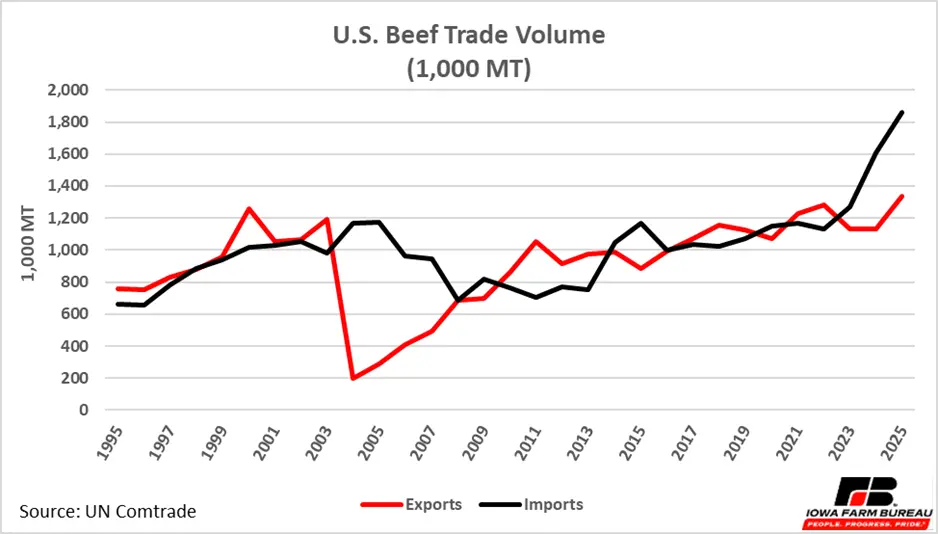 Figure 1. Volume of U.S. Beef Exports and Imports 1995-2025
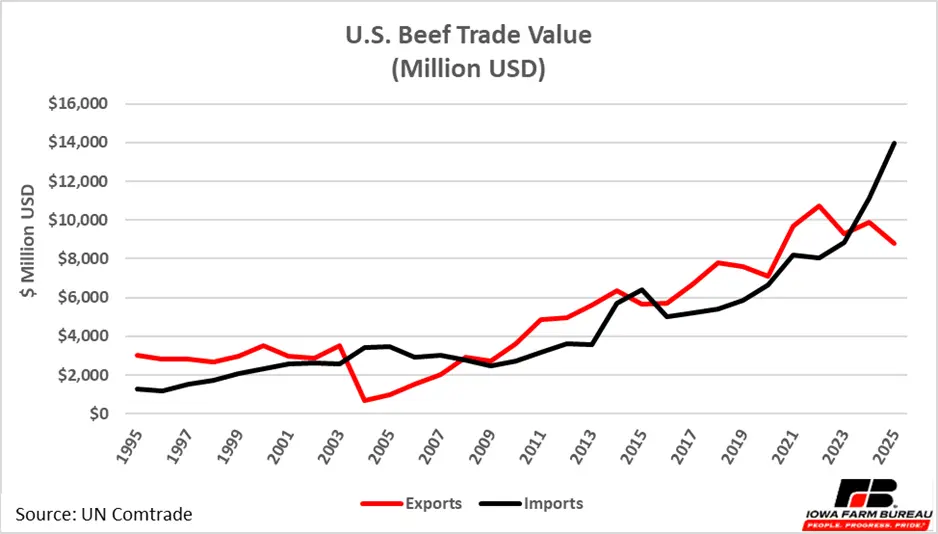 Figure 2. Value of U.S. Beef Exports and Imports 1995-2025
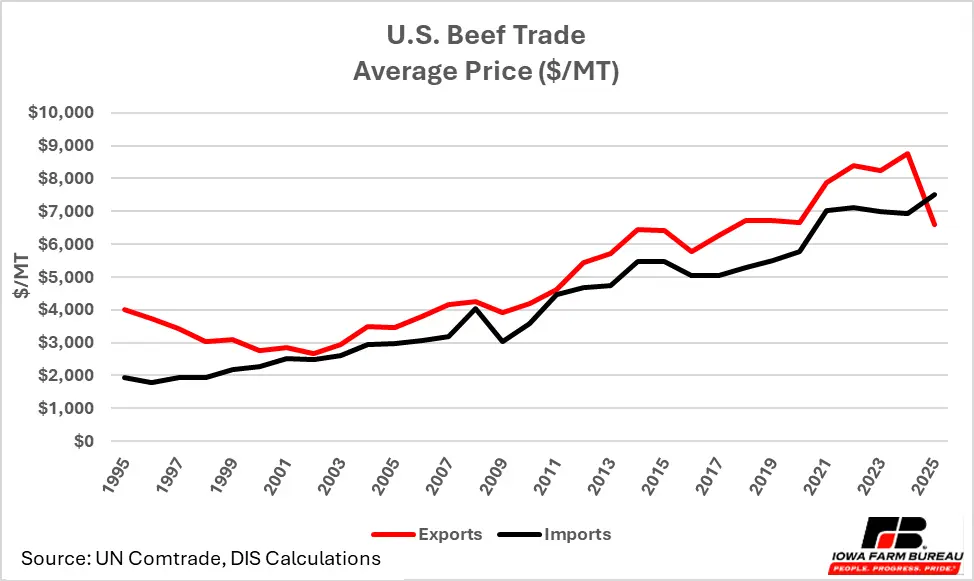 Figure 3. Average Price of U.S. Beef Exports and Imports 1995-2025
Major Trade Partners for U.S. Beef
South Korea and Japan remain the two largest export markets for United States beef, on a five-year average basis in terms of both value and volume (see Table 2). Combined, South Korea and Japan account for nearly half (43%) of all United States beef exports. On a five-year average basis, Mexico has surpassed China in terms of volume and value of U.S. beef exports.
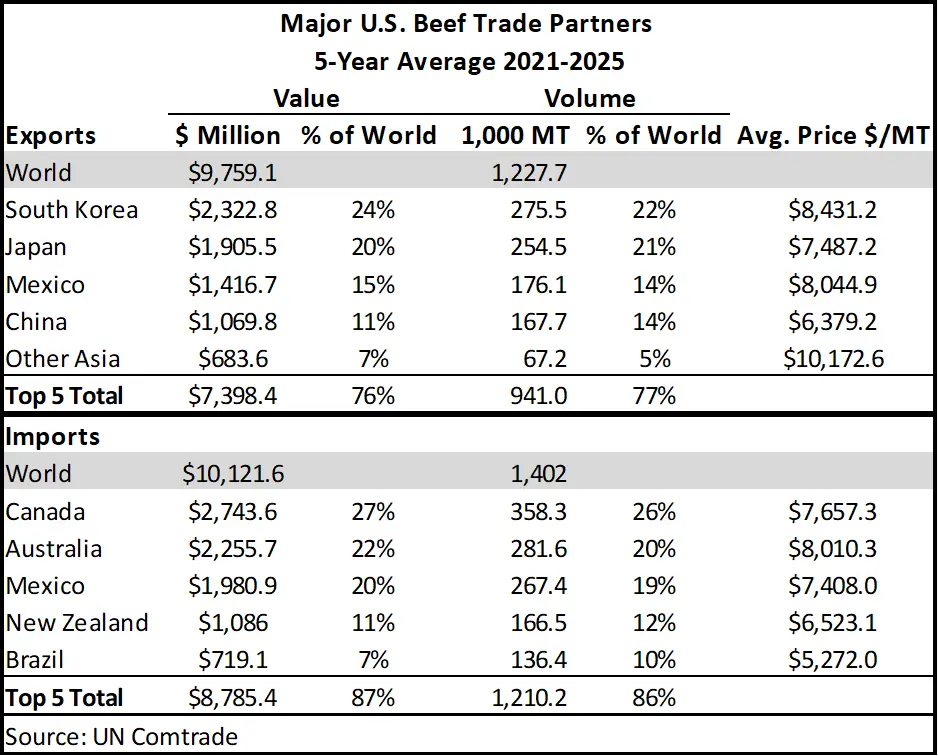 Table 2. Major U.S. Beef Trade Partners
Markets of Other Major Importers and Exporters
Even as the United States continues to have a dominant place in the global beef market, the dynamics the domestic market and major global markets in Brazil and Australia continue drive changes in the global beef market. As Brazil overtakes the global beef market as the largest producer and exporter, China imports nearly half (51%) of Brazil’s beef exports in terms of volume (Table 3). The United States, the second largest beef export destination for Brazilian beef, imports only around 6% of the country’s beef exports by value and volume.
Australia, another major beef global exporter, exports a fairly even amount of beef across its major trading partners including the United States, China, Japan, and South Korea in terms of volume and value. Other major beef exporters are the Netherlands and India.
The largest beef importer in the global beef market is China, who imports a majority (42%) of their beef from Brazil, followed by Argentina (19%) and the United States (6%) and Australia (7%). While China’s 2025 beef import data is not available, trends of declining beef consumption may be driving down beef imports from record levels in previous years (Table 4).
Japan, another major beef importer, imports a majority of their beef from the United States and Australia. Japan imports 46% of beef, by value, from the United States, and 41% of beef, by volume, from Australia. Although Australia is the top beef supplier to Japan in terms of the volume of beef, the United States supplies higher quality cuts making the value of their imports greater than other suppliers. South Korea and the Netherlands are also major beef importing countries. The United States supplies 50% of Japan’s total beef imports by volume, followed by Australia. From 2021 to 2024, the United States and Australia collectively accounted for 93% and 90% of South Korea’s beef imports by value and volume, respectively. The Netherlands predominantly relies on trade within the European Union as the country’s top beef suppliers are Germany and Belgium who, on average, supply more than 30% of the country’s total beef imports.
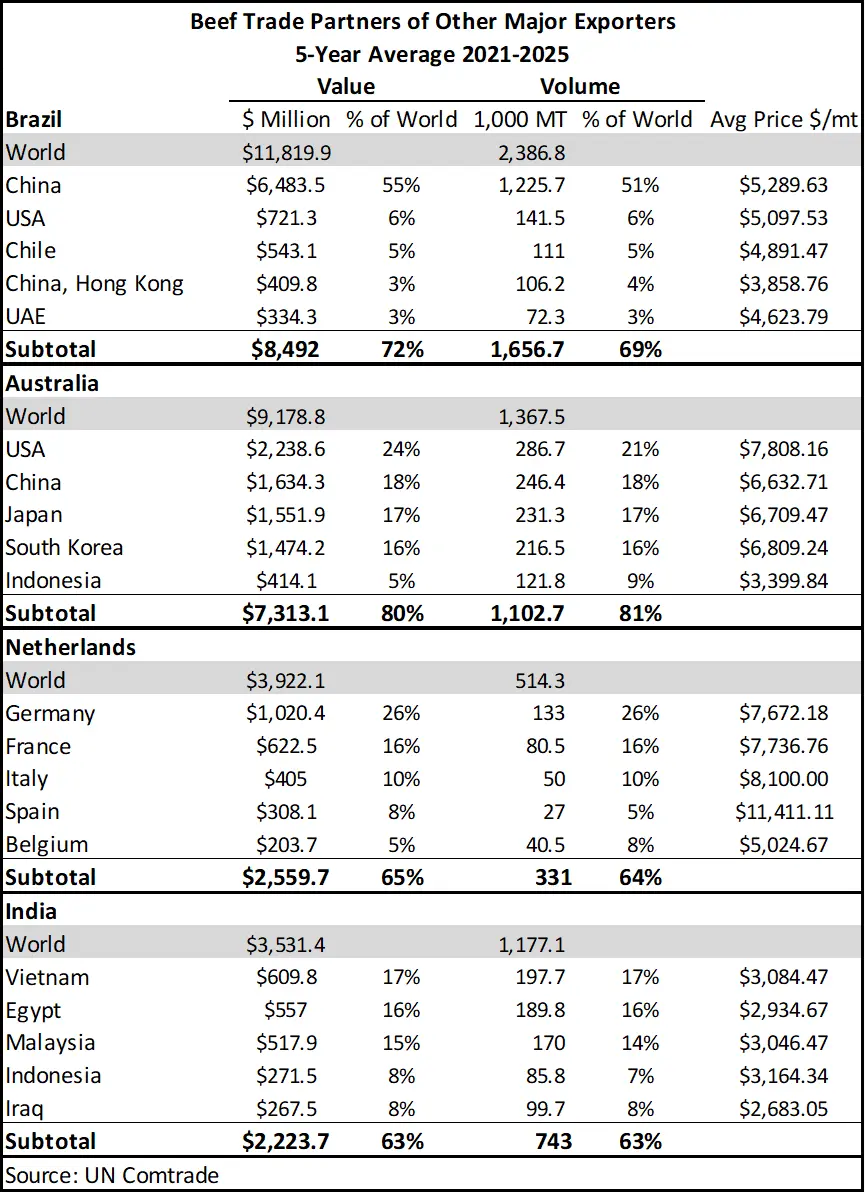 Table 3. Trade Partners of Major Global Beef Exporters
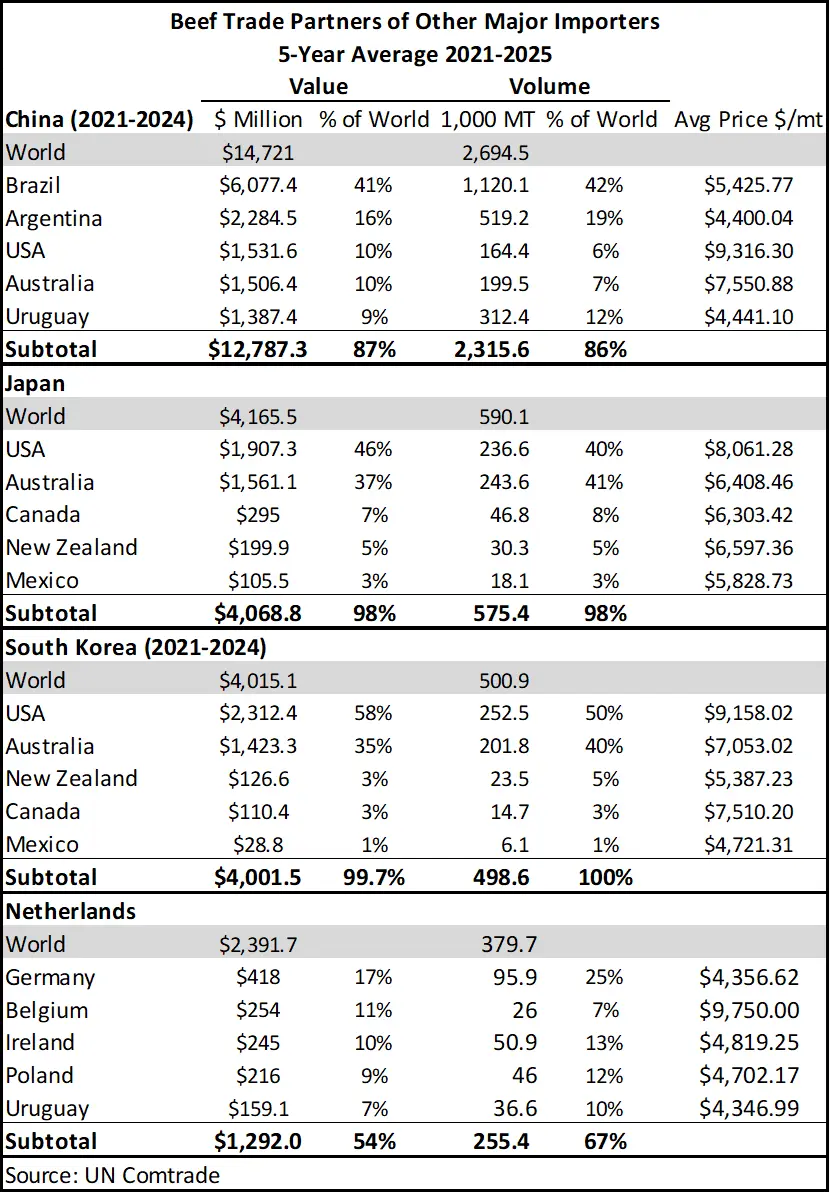 Table 4. Trade Partners of Major Global Beef Importers
Economic analysis provided by Paige Klipstein, Research Analyst, Decision Innovation Solutions on behalf of Iowa Farm Bureau
Find more information about World Commodity Trade:
Want more news on this topic? Farm Bureau members may subscribe for a free email news service, featuring the farm and rural topics that interest them most!