May 2026 Planting Progress Report
Author
Published
5/26/2026
Days suitable for fieldwork during the four-week period from late April to mid-May were generally favorable across much of the Corn Belt and Great Plains as warmer weather supported rapid planting progress and increased field activity. Iowa reported 21.1 suitable days for fieldwork during the period, up from 18.5 days in 2025 and representing the highest total in the dataset since 2020. The strong field conditions coincided with rapid increases in both corn and soybean planting progress as producers took advantage of extended stretches of favorable weather and improved soil conditions.
Nebraska continued to stand out with exceptionally favorable field conditions, recording 23.7 suitable days during the period. This marked the highest value in the dataset and slightly exceeded the already strong conditions observed in 2025. Nebraska has consistently remained among the leading states in fieldwork accessibility during recent years, supporting rapid spring planting activity across the state. Illinois recorded 15.5 suitable days during the period, remaining relatively consistent with recent years and slightly below 2025 levels. While Illinois conditions were not as favorable as those observed across Iowa and Nebraska, producers still benefited from improved weather windows during early May that supported strong planting and emergence progress. Nationally, the U.S. averaged 21.2 suitable days for fieldwork, surpassing the 19.6 days reported in 2025 and representing the strongest national fieldwork conditions in the dataset (Figure 1).
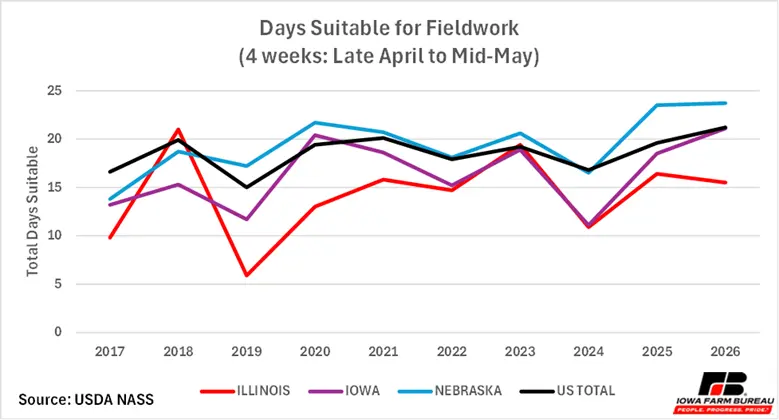
Figure 1. Days Suitable for Fieldwork (4 weeks) 2017-2026
Crop Progress
For the week ending on May 17th, 2026, the percent of corn planted in Iowa surged to 88%, a 16% increase from the previous week. This is down 1% from the same period last year, but up 6% from the five-year average (Figure 2). Nationally, corn acreage planted increased by 19% to 76%, matching 2025’s progress and surpassing the five-year average.
In the past week, soybean planting increased by 20% to 80%. This progress matches last year’s pace and is 12% higher than the five-year average. (Figure 2). Nationally, soybean planting progress increased by 18% to 67%, a slight improvement from 2025’s pace and up 17% from the five-year average.
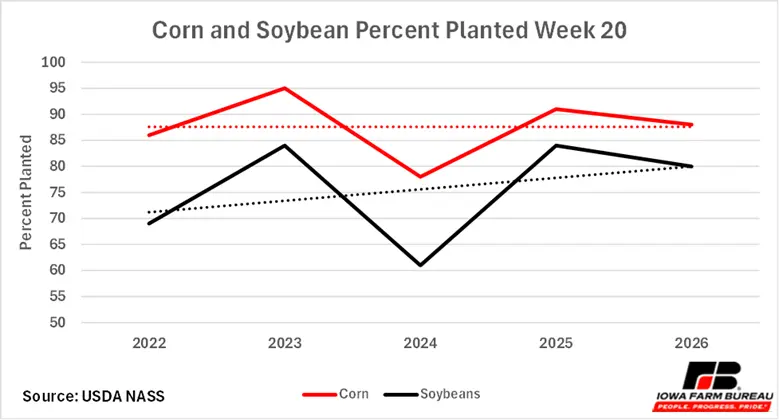
Figure 2. Iowa Corn and Soybean Planting Progress at Week 20
Planting progress in Iowa accelerated rapidly during the first half of May following the slow and weather-delayed start experienced throughout April. After reaching 42% planted by May 3rd, Iowa producers made substantial gains during favorable planting conditions, with progress climbing to 72% by May 10th and further increasing to 88% planted by May 17th. The sharp improvement suggests producers were able to take advantage of extended fieldwork windows, warmer temperatures, and drier conditions to rapidly advance planting activity across the state (Figure 3).
Nationally, U.S. corn planting reached 57% complete by May 10th, up sharply from 38% the previous week as favorable weather supported strong planting progress across much of the Corn Belt and Great Plains. Among notable states, Minnesota posted one of the largest weekly gains, surging from 42% planted to 68% complete by May 10th before reaching 86% by May 17th. Nebraska also continued rapid progress, advancing from 43% planted on May 3rd to 67% by May 10th and 82% by May 17th. Missouri maintained one of the fastest overall planting paces, reaching 84% complete by May 17th, while Illinois climbed steadily to 75% planted over the same period.
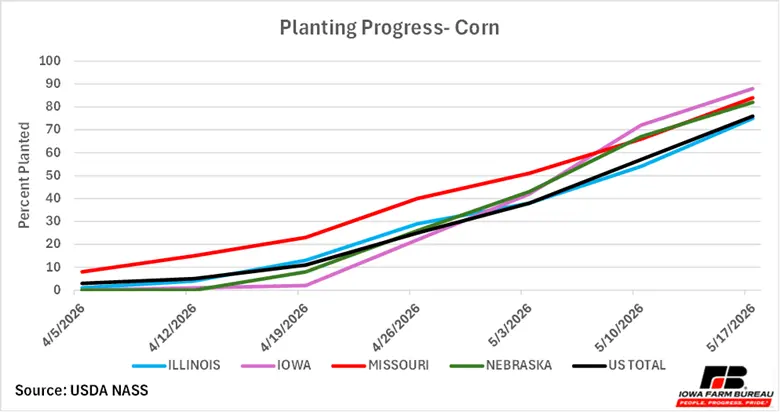
Figure 3. Corn Planting Progress 2026
Corn emergence in Iowa accelerated rapidly during the first half of May following the delayed start caused by cool temperatures and wet field conditions throughout April. Iowa reported just 2% corn emergence by May 3rd but increased sharply to 19% by May 10th before reaching 46% emerged by May 17th (Figure 4). The rapid increase in emergence reflects improving soil temperatures and more favorable growing conditions during early May, allowing recently planted corn acres to develop quickly and supporting more uniform stand establishment across much of the state.
Nationally, U.S. corn emergence reached 23% by May 10th, up from 13% the previous week, before climbing to 39% by May 17th. The sharp increase in emergence activity mirrors the strong planting pace observed during early May as warmer and drier weather improved crop development conditions across much of the Corn Belt and Great Plains. Among other notable states, Missouri continued to lead in corn emergence progress, increasing from 32% emerged by May 3rd to 43% by May 10th and reaching 60% by May 17th, supported by earlier planting windows and warmer spring temperatures. Illinois also posted strong gains, rising from 24% emerged by May 3rd to 46% by May 17th.
Kansas experienced similarly steady improvement, with corn emergence increasing from 20% by May 3rd to 45% emerged by May 17th. Northern states, while still somewhat behind southern portions of the region, also saw notable progress during the period. Minnesota advanced from just 3% emerged by May 3rd to 36% by May 17th, while Nebraska increased from 7% to 42% emerged over the same period. South Dakota continued to trail neighboring states but still improved from 3% emerged by May 3rd to 22% by May 17th as warmer weather supported crop development across the northern Plains.
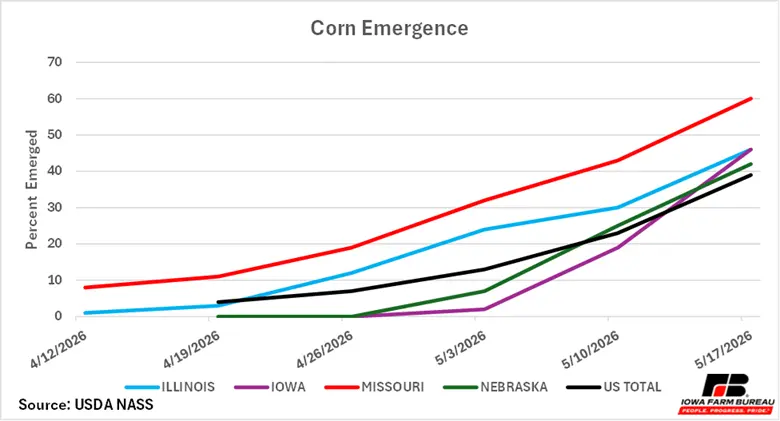
Figure 4. Corn Emergence 2026
Iowa soybean planting progress accelerated dramatically during the first half of May following the slow and weather-delayed start experienced earlier in the season. Iowa soybean planting increased from 27% complete by May 3rd to 60% by May 10th before reaching 80% planted by May 17th (Figure 5). The rapid increase reflects improved field conditions and favorable weather during early May, allowing producers to make substantial planting gains in a short period of time after limited activity throughout much of April.
Nationally, U.S. soybean planting reached 49% complete by May 10th, up significantly from 33% the previous week, before increasing further to 67% by May 17th. The strong weekly gains mirrored the rapid pace of corn planting observed across the Midwest and Great Plains as warmer and drier weather supported favorable fieldwork conditions across much of the region. Among notable states, Nebraska experienced one of the strongest planting accelerations, climbing from 40% planted by May 3rd to 64% by May 10th and reaching 81% complete by May 17th. Illinois also maintained a strong planting pace, increasing from 46% planted by May 3rd to 74% by May 17th. Missouri increased steadily to 59% planted by May 17th.
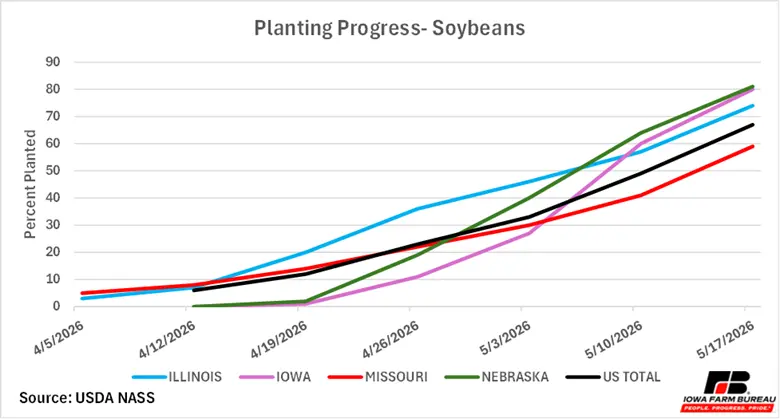
Figure 5. Soybean Planting Progress 2026
Soybean emergence in Iowa accelerated during the first half of May following the delayed planting and cool, wet conditions experienced throughout much of April. Iowa reported just 1% soybean emergence by May 3rd but increased to 7% by May 10th before reaching 28% emerged by May 17th (Figure 6). The improvement in emergence reflects warmer soil temperatures and more favorable growing conditions during early May, allowing recently planted soybean acres to begin developing more rapidly after a prolonged slow start earlier in the season.
Nationally, U.S. soybean emergence reached 20% by May 10th, up from 13% the previous week, before increasing to 32% by May 17th. Like corn emergence, soybean development accelerated during early May as improved weather conditions across the Midwest and Great Plains supported both crop growth and additional planting activity.
Illinois continued to lead soybean emergence progress among the states included in the dataset. Illinois’ emergence increased from 26% by May 3rd to 31% by May 10th before reaching 44% emerged by May 17th. Missouri also maintained relatively strong progress, climbing from 16% emerged by May 3rd to 35% by mid-May. Nebraska experienced one of the sharpest increases in soybean emergence during the period, advancing from just 2% emerged by May 3rd to 18% by May 10th and reaching 33% by May 17th.
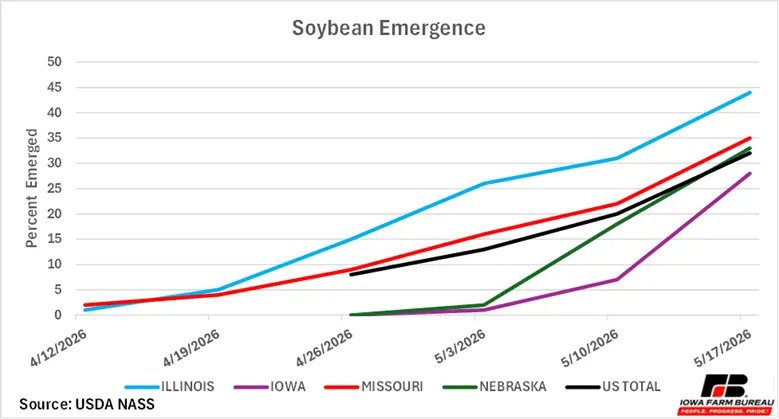
Figure 6. Soybean Emergence 2026
The USDA reports that 64% of the state’s topsoil moisture was adequate and another 5% as surplus. Over 30% of topsoil moisture was categorized as short or very short, including just 5% rated very short (Figure 7).
Compared to 2025, topsoil conditions in Iowa are slightly improved. Adequate moisture ratings increased from 53% in 2025 to 64% in 2026, while very short conditions declined from 8% to 5%. Surplus moisture ratings increased marginally from 2% to 5%.
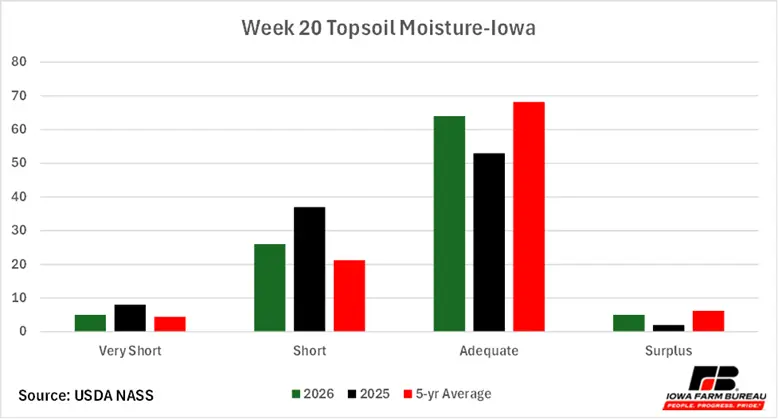
Figure 7. Iowa Topsoil Moisture at Week 20
Want more news on this topic? Farm Bureau members may subscribe for a free email news service, featuring the farm and rural topics that interest them most!